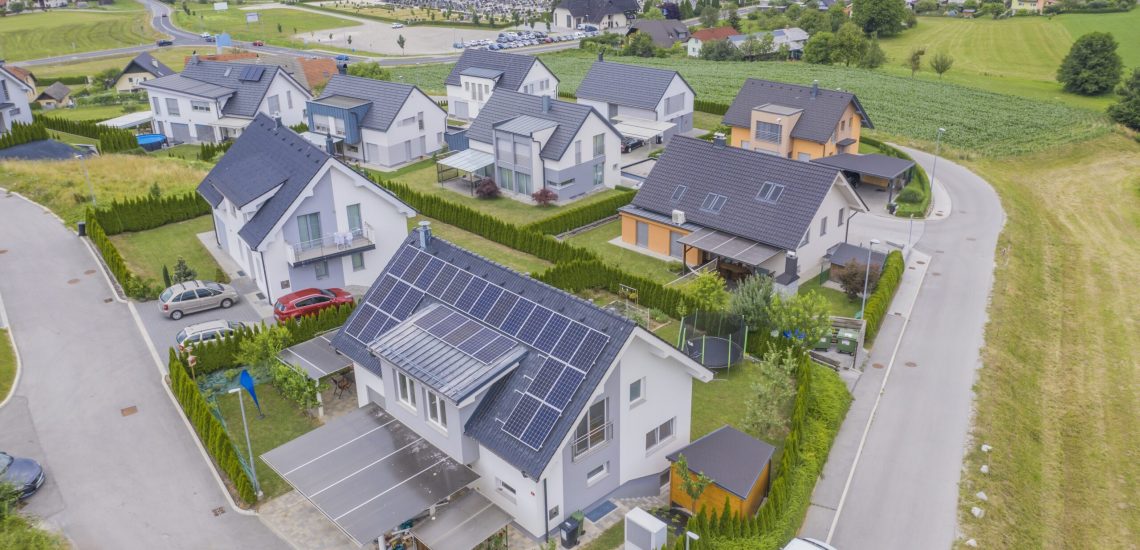
Solar energy has become increasingly popular across the country, with millions of homeowners installing solar panels to help reduce energy costs and improve efficiency. As the industry continues to grow, however, scams targeting homeowners have become more common as well.
Unfortunately, some individuals have lost thousands of dollars to fraudulent solar companies, misleading contracts, or identity theft schemes disguised as legitimate solar offers. For retirees and homeowners alike, understanding the warning signs may help reduce the risk of becoming a victim.
Why Solar Scams Are Increasing
Over the past decade, solar panel systems have become more affordable and widely available as more homeowners look for ways to reduce energy costs and improve efficiency.
As demand has increased, scammers have found opportunities to target homeowners through fake installation companies, misleading sales tactics, identity theft schemes, high-pressure contracts, and false promises about savings or incentives.
Because solar installations can involve large upfront costs and financing agreements, even a single scam can create significant financial damage.
One of the Most Common Solar Scams
A common scam involves creating a fake solar company that collects large deposits for installation work that never actually happens.
In some cases, the company disappears after collecting payment. In others, homeowners may discover the installer was never properly licensed or qualified to perform the work.
Before hiring a solar installer, take time to read customer reviews, check the company’s Better Business Bureau profile, verify licensing and credentials, and research the company through reputable industry organizations such as the Solar Energy Industries Association (SEIA).
Taking a little extra time to verify a company’s legitimacy can help reduce the risk of costly problems later.
Watch for Identity Theft Risks
Not every solar scam involves fake equipment or unfinished installations. Some scammers pose as solar representatives simply to collect personal information.
They may ask homeowners to provide sensitive information such as Social Security numbers, banking details, driver’s license information, or utility account data.
Fraudsters can then use that information for identity theft or financial fraud.
Be cautious about sharing sensitive personal or financial information before confirming the company is legitimate and understanding exactly why the information is being requested.
Be Careful with Contracts
Even when a solar company is real, some contracts may contain misleading or unfavorable terms.
Warning signs may include inflated pricing, hidden fees, confusing financing terms, contracts that limit responsibility for faulty systems, or guarantees that are difficult to understand or enforce.
One of the biggest warning signs is pressure to sign quickly.
Scammers and dishonest salespeople often try to create urgency, encouraging homeowners to sign contracts before fully reviewing the details. They may claim special pricing or tax incentives are about to expire in order to pressure a fast decision.
Legitimate companies are generally willing to answer questions, explain terms clearly, and give homeowners time to review their options.
If a representative avoids questions or pressures you to commit immediately, that may be a sign to walk away.
Tips to Help Protect Yourself
Before agreeing to a solar installation project, consider taking a few extra precautions:
- Research the company thoroughly
- Read contracts carefully before signing
- Get multiple quotes when possible
- Avoid large upfront payments without verification
- Be cautious with personal information
- Never feel pressured to make an immediate decision
For large financial commitments, slowing down and reviewing the details carefully can often help prevent costly mistakes.
The Bottom Line
Solar energy may offer benefits for many homeowners, but the growing popularity of solar installations has also created new opportunities for scammers.
Understanding common warning signs, reviewing contracts carefully, and taking time to research companies may help you make more informed decisions and reduce the risk of financial fraud.
Source: Federal Trade Commission (FTC), Better Business Bureau (BBB)