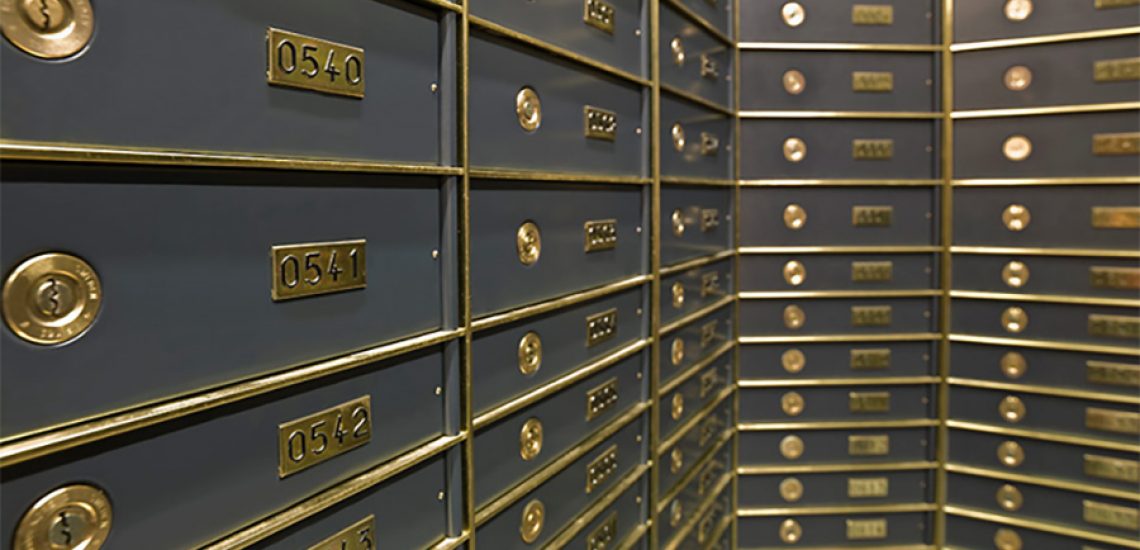
Safe deposit boxes may feel like something from a different era, but they are still widely used across the United States.
For many people, they seem like a logical place to store valuables, important papers, family keepsakes, or documents they want protected. And in some cases, they can be useful. A safe deposit box may offer more security than a drawer at home, especially for items you do not need to access often.
But safe deposit boxes also come with limitations that many people do not realize until there is a problem.
Before renting one, or relying on one you already have, it is important to understand what they are good for, what they are not good for, and which items may be better stored somewhere else.
Safe Deposit Boxes Are Not Automatically Insured
One common misunderstanding is that valuables stored in a safe deposit box are automatically insured by the bank.
In most cases, they are not.
The contents of a safe deposit box are not insured by the FDIC, and banks typically do not insure the contents themselves. The FDIC protects certain bank deposits, not jewelry, cash, collectibles, documents, or other valuables stored inside a box.
That means if items are stolen, damaged, or destroyed by a fire, flood, natural disaster, or robbery, you may not be reimbursed unless you have separate coverage.
If you keep valuable items in a safe deposit box, it may be worth checking whether your homeowners or renters insurance policy can provide coverage. In some cases, you may need a separate rider or additional policy.
Access Can Be More Complicated Than People Expect
Safe deposit boxes are secure partly because access is restricted. But that security can also create problems.
Usually, only the people listed on the rental agreement are allowed to access the box. Having the key or passcode may not be enough if that person is not listed as an authorized user.
This can become a major issue when important estate documents are stored inside.
For example, if your will, power of attorney, or other critical documents are locked in a safe deposit box, your loved ones may not be able to access them easily after your death or incapacity. In some cases, the box may remain restricted until probate or other legal steps begin.
That can delay the very documents your family may need most.
Be Careful What You Store Inside
Safe deposit boxes can be useful for items that are valuable but not urgently needed. However, they are usually not ideal for documents or items you may need quickly.
Think twice before storing:
- Original wills
- Powers of attorney
- Healthcare directives
- Passports
- Emergency cash
- Insurance information
- Documents needed during a natural disaster
- Anything your family may need immediate access to
Safe deposit boxes are generally only available during bank operating hours. If the bank is closed, inaccessible, or affected by an emergency, you may not be able to retrieve what you need when you need it.
A better approach may be to keep copies or instructions in a secure but accessible location, while making sure trusted individuals know where important documents are stored.
Banks May Limit What You Can Store
Safe deposit boxes are not meant for everything.
Many banks prohibit certain items, including hazardous materials, firearms, explosives, drugs, liquids, perishable items, and other restricted goods.
Some people also assume they can store large amounts of cash in a box. Even when not prohibited, this is usually not ideal. Cash stored in a safe deposit box does not earn interest, is not FDIC insured in that setting, and may create complications if something happens.
Before placing anything in a box, review the bank’s rental agreement and restrictions carefully.
Security Is Strong, But Not Perfect
Safe deposit boxes are designed to be secure, and thefts are uncommon. Still, they are not impossible.
There have been cases where boxes were affected by robberies, natural disasters, administrative errors, or other security issues. That does not mean safe deposit boxes are unsafe, but it does mean they should not be treated as risk-free.
Before renting a box, consider asking the bank about its procedures. For example:
- How is the vault monitored?
- Are customers escorted into the vault area?
- What happens if a key is lost?
- What happens if payments are missed?
- What documentation is required for another person to access the box?
- What are the bank’s policies after the renter’s death?
These questions may feel tedious, but they can help avoid confusion later.
There May Be Costs and Inconveniences
Safe deposit boxes also come with practical costs.
Rental fees vary depending on the bank and box size. In most personal situations, those fees are not tax-deductible. If you lose your key, stop paying rent, or need special access, the bank may drill the box open, and you may be responsible for the cost.
Some banks are also discontinuing safe deposit box services because they are not especially profitable and can create legal and operational challenges.
That means availability may become more limited over time.
The Bottom Line
Safe deposit boxes can still serve a purpose, especially for valuables or documents you do not need often. But they are not a perfect solution.
They are not automatically insured. Access may be restricted. Emergency documents may be hard to retrieve quickly. Banks may limit what can be stored. And your loved ones may face delays if the wrong documents are locked inside.
The key is to use safe deposit boxes thoughtfully.
They can be part of an organized financial and estate plan, but they should not be the only place your family can find important information when it matters most.
**Source: AARP