
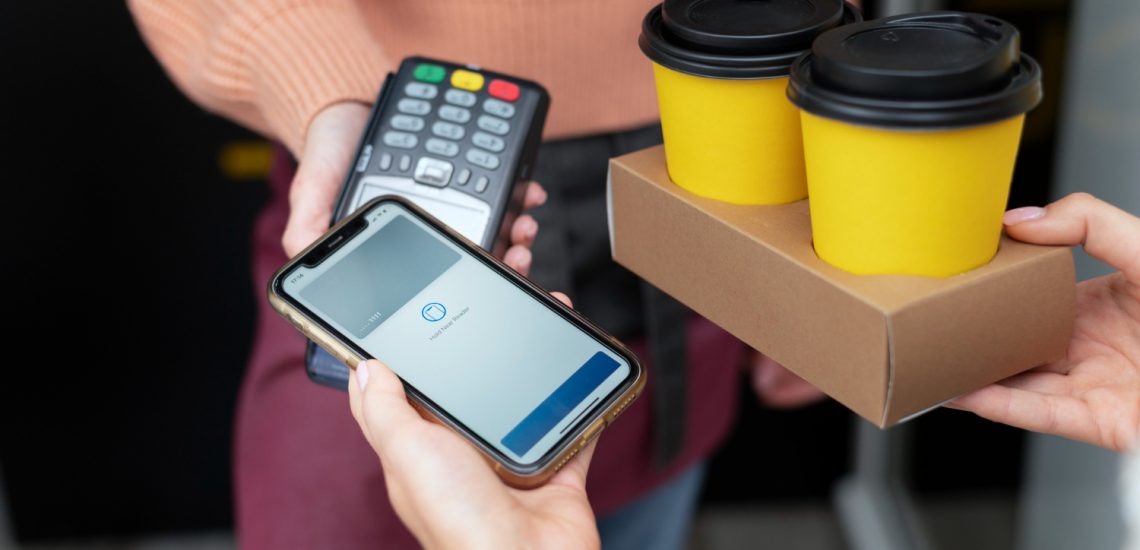
Digital payment methods such as tap-to-pay and mobile wallet apps have become increasingly popular because of their speed and convenience.
Unfortunately, scammers are also adapting quickly and using these technologies to target unsuspecting individuals through emotional manipulation and deceptive payment tactics.
Understanding how these scams work and recognizing warning signs early may help consumers better protect their personal and financial information.
How Tap-to-Pay Scams Often Work
In one widely reported example, individuals approached a woman requesting donations for what they claimed was a family funeral expense.
When she attempted to provide cash, the individuals refused it and insisted that mobile tap-to-pay was the only accepted payment method.
Although she intended to send a small donation, she later discovered a much larger amount had reportedly been withdrawn from her account.
Scams like these may involve altered payment amounts, manipulated payment screens, card-skimming technology, or fraudulent mobile payment requests.
Because transactions often occur quickly, victims may not notice suspicious activity until after the payment is completed.
Emotional Manipulation Is Common
Scammers frequently rely on emotional stories designed to create urgency or sympathy.
Common themes may include:
- Funeral expenses
- Medical emergencies
- Children in need
- Disaster relief
- Family hardships
While many legitimate charitable causes exist, emotional pressure combined with immediate payment requests may sometimes signal potential fraud.
Taking time to verify requests carefully may help reduce the risk of scams.
Refusing Cash Can Be a Red Flag
One warning sign may involve refusing traditional forms of payment after asking for donations.
If someone insists on mobile payments only, immediate transfers, specific payment apps, or other unusual payment methods, consumers may want to proceed cautiously.
Legitimate fundraising efforts often provide multiple secure donation methods and verifiable information.
Donate Through Official Platforms When Possible
Instead of sending money directly through informal payment requests, individuals may consider donating only through verified organizations or official fundraising platforms.
Examples include verified nonprofit websites, official fundraising pages, recognized charitable organizations, or trusted crowdfunding platforms.
Before donating, consumers may want to verify the organization’s legitimacy, website authenticity, contact information, and fundraising details.
Review Payment Amounts Carefully
Before authorizing a mobile payment, consumers may want to review the payment amount, recipient name, and confirmation screen carefully.
Scammers may sometimes manipulate payment interfaces or attempt to distract victims during transactions.
Taking a few extra seconds to verify details may help prevent costly mistakes.
Set Security Features on Payment Apps
Many mobile payment apps and banking platforms allow users to activate additional security protections.
Helpful features may include:
- PIN requirements
- Biometric authentication
- Transaction alerts
- Spending limits
- Two-factor authentication
These protections may help reduce the risk of unauthorized or altered transactions.
Monitor Financial Accounts Regularly
Reviewing account activity frequently may help consumers identify suspicious charges more quickly.
If unauthorized activity is discovered, individuals may want to:
- Contact their bank immediately
- Report the fraudulent transaction
- Freeze affected cards if necessary
- Update passwords and security settings
Early reporting may improve the chances of limiting financial losses.
Older Adults Are Often Targeted
Scammers may target older adults because they often believe they have accumulated savings or may be less familiar with newer payment technologies.
Sharing scam awareness information with friends and family members may help protect others from becoming victims.
Additional Fraud Prevention Resources
Individuals interested in learning more about financial scams and fraud prevention may visit:
The Bottom Line
Tap-to-pay and mobile payment scams continue evolving as digital payment technology becomes more common.
Remaining cautious, verifying requests carefully, and using available security features may help consumers reduce their risk of financial fraud and unauthorized transactions.
Source: Yahoo News