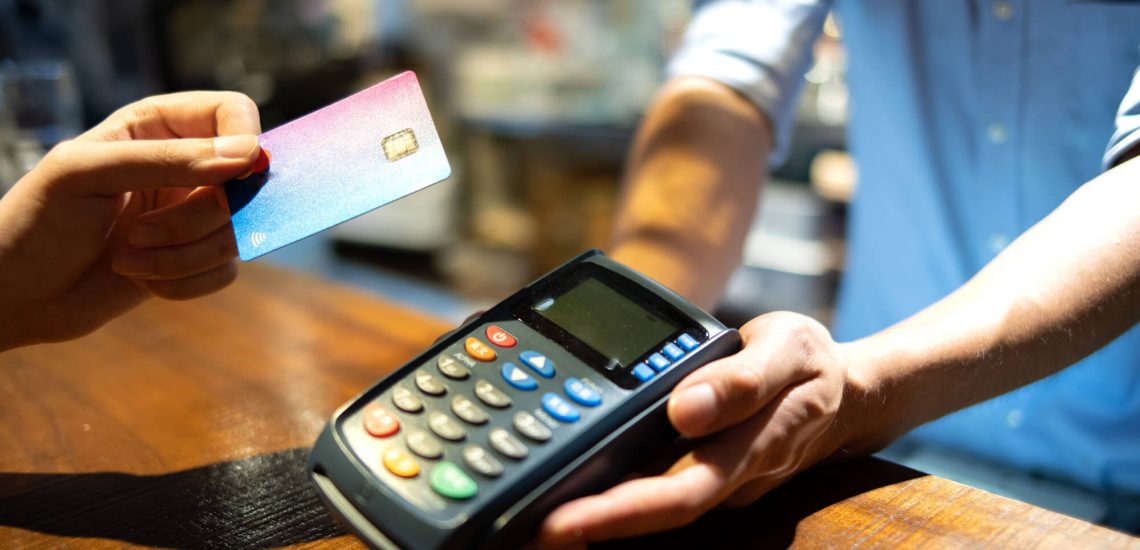
Tapping your card may be the better option as card skimming scams are becoming more common, especially at ATMs, gas stations, and self-checkout kiosks.
These scams happen when criminals place hidden devices on card readers to steal information from your card. Once that information is captured, it may be used to make fraudulent purchases or access your accounts.
The good news is that one simple habit can help reduce your risk: tap your card whenever possible instead of inserting or swiping it.
How Card Skimming Works
A card skimmer is a small device that criminals attach to a card reader. These devices are designed to capture information from the magnetic strip on your card.
Common targets include:
- ATMs
- Gas pumps
- Self-checkout kiosks
- Standalone payment terminals
- Non-bank ATM machines
These locations are often targeted because they may be less closely monitored, especially if they are outdoors, isolated, or located in busy areas where people are rushing.
Why Tapping Is Safer
Tap-to-pay and digital wallets, such as Apple Pay, are generally harder for skimmers to exploit because they do not rely on the magnetic strip.
Instead of exposing the same card information over and over, contactless payments use more secure transaction methods that make it much harder for criminals to capture usable card data.
That does not mean fraud is impossible, but it does make skimming much more difficult.
So, when you have the option, the safer habit is simple: Tap your card instead of insert.
What to Check Before Using a Card Reader
Before using an ATM, gas pump, or checkout terminal, take a quick look at the machine.
Watch for signs of tampering, including:
- A loose or bulky card slot
- A crooked or raised keypad
- Exposed wires
- Broken or damaged parts
- Anything that looks added on or out of place
- A machine that feels different from others nearby
If something looks suspicious, do not use it. Choose another machine and report it to the business or financial institution.
Safer Habits at ATMs and Gas Stations
A few small habits can also help lower your risk.
When using an ATM, it is generally safer to use one located at a bank branch rather than a standalone machine inside a store or in an isolated location.
At gas stations, choose pumps closer to the attendant or store entrance when possible. These pumps are usually more visible and may be harder for criminals to tamper with.
If you need to enter your PIN, cover the keypad with your hand. This can help protect you from hidden cameras or anyone nearby trying to watch you type.
Credit Cards May Offer More Protection
For everyday purchases, a credit card may offer stronger fraud protection than a debit card.
With a debit card, stolen funds may come directly out of your bank account while the issue is being investigated. With a credit card, the charge is typically disputed before you are responsible for paying it.
That does not mean you should never use a debit card. But when fraud risk is higher, such as at gas pumps, kiosks, or unfamiliar terminals, using a credit card may be the safer choice.
What to Do If You Think Your Card Was Skimmed
If you believe your card information may have been stolen, act quickly.
You should:
- Contact your bank or card issuer immediately
- Cancel or freeze the affected card
- Change your PIN
- Review recent transactions
- Monitor your account for new suspicious activity
- Report the incident to the business where it may have happened
- Consider reporting the scam to local authorities or the FBI’s Internet Crime Complaint Center
The faster you act, the better your chances of limiting the damage.
The Bottom Line
Card skimming scams can be expensive and frustrating, but a few simple habits can help protect you.
Whenever possible, tap your card instead of inserting it. Use bank ATMs when you can. Be cautious at gas pumps and self-checkout kiosks. Cover your PIN. And keep an eye on your accounts.
Small habits like these can make it much harder for scammers to get access to your money.
Want more practical tips for protecting your finances and avoiding common scams? Click here to contact our office or ask about an upcoming educational event.